
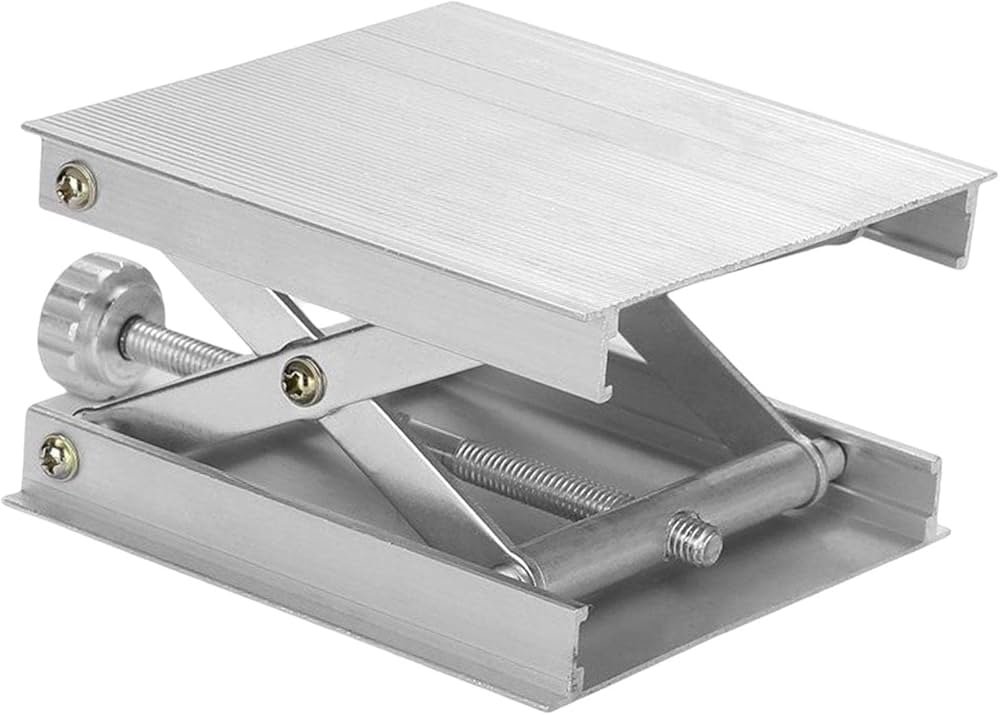
In many industries today, equipment that delivers both safety and efficiency is essential for daily operations. One of the most valuable tools in sectors like logistics, construction, and manufacturing is the 升降台. Among all the materials used in building these platforms, aluminum stands out as a top choice. But what makes aluminum lifting platforms both exceptionally lightweight and incredibly durable? This guide dives into the science and engineering behind why aluminum has become the preferred material for modern 升降台 designs.
1. Superior Strength-to-Weight Ratio
Aluminum offers a balance that few metals can match. It is significantly lighter than steel yet possesses high mechanical strength. This is crucial for a lifting platform, as operators need equipment that can:
- Support heavy loads
- Be moved or repositioned quickly
- Reduce worker fatigue
Because aluminum components weigh less, a 升降台 becomes easier to transport and operate, especially in environments where frequent relocation is required.
2. Excellent Corrosion Resistance
Work environments can be unpredictable. Exposure to rain, humidity, chemicals, or corrosive elements can weaken materials over time. Aluminum naturally forms an oxide layer that protects it from rust. This results in:
- Longer lifespan compared to untreated steel
- Minimal maintenance requirements
- Cost savings on replacement and repair
This makes aluminum lifting platforms reliable even in tough outdoor or industrial conditions.
3. High Load Capacity With Proper Engineering
Some assume lightweight materials cannot handle heavy weight, but aluminum alloys are used in industries like aviation and automotive manufacturing for a reason. Engineers design aluminum lifting platforms with:
- Reinforced frames and support structures
- Optimized stress distribution systems
- Strong joints and welds that withstand pressure
This combination ensures that platforms can lift people, tools, and materials safely without structural compromise.
4. Easier Mobility and Energy Efficiency
The lighter the platform, the easier it is to control. Aluminum lifting platforms reduce the energy required for:
- Electric motor operation
- Battery-powered units
- Manual mobility
With lower power consumption, businesses benefit from reduced operating costs and longer equipment usage per charge. This is especially valuable for mobile 升降台 units used across multiple workstations.
5. Design Flexibility and Customization
Aluminum’s malleability allows manufacturers to shape it into complex structures without sacrificing strength. As a result, lifting platforms can incorporate:
- Folding arms
- Telescopic booms
- Compact scissor mechanisms
- Wheel-based mobility systems
This flexibility ensures lifting equipment adapts to the specific needs of diverse workplaces.
6. Sustainable and Environmentally Friendly
Sustainability is a growing priority for companies worldwide. Aluminum is highly recyclable, and recycling requires a fraction of the energy used for primary production. Choosing an aluminum 升降台 supports green initiatives and helps businesses meet modern environmental standards.
Conclusion
The reason aluminum lifting platforms dominate the industry is clear. They combine strength, durability, efficiency, mobility, and sustainability into one piece of equipment. Whether used indoors or outdoors, a well-built 升降台 ensures operational safety and productivity for years to come. Businesses that invest in aluminum lifting platforms gain long-term performance and reduced maintenance costs, making them a smart and future-ready choice.