
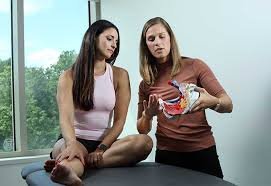
The pelvic floor is a group of muscles, ligaments, and tissues that support the bladder, uterus, and bowel. For many women, pregnancy, childbirth, and aging can weaken these muscles, leading to challenges such as incontinence, pelvic organ prolapse, or postpartum discomfort. Fortunately, licensed pelvic floor rehabilitation offers a safe, effective, and personalized approach to restore function and improve quality of life.
Pelvic floor rehab isn’t just for women experiencing postpartum changes — it’s valuable for anyone struggling with urinary or fecal incontinence, pelvic pain, or other functional concerns. With the guidance of a licensed specialist, individuals can rebuild strength, regain confidence, and return to everyday activities without fear or discomfort.
Understanding Postpartum Pelvic Health
Pregnancy and childbirth place extraordinary demands on the pelvic floor. Vaginal delivery, cesarean sections, and even prolonged labor can stretch or weaken these muscles. Common postpartum challenges include:
-
Urinary or fecal incontinence
-
Pelvic heaviness or pressure
-
Pain during intercourse
-
Core instability
-
Lower back discomfort
Licensed pelvic floor therapists use a combination of assessment, education, and tailored exercises to address these issues. The goal is not only to restore muscle tone but also to improve coordination and function, ensuring long-term pelvic health.
Why Licensed Pelvic Floor Rehab Matters
Pelvic floor rehabilitation involves specialized techniques that target the muscles, nerves, and connective tissues in the pelvic region. Unlike generic exercise routines, licensed therapists provide individualized treatment based on a comprehensive evaluation, including:
-
Muscle strength and endurance testing
-
Assessment of pelvic alignment and posture
-
Analysis of bladder and bowel habits
-
Identification of pain triggers
This targeted approach allows therapists to design exercises, biofeedback protocols, and manual therapies that are safe and effective for each client. Professional guidance ensures that rehabilitation is done correctly, preventing further strain or injury.
Core Components of Pelvic Floor Rehab
-
Strengthening Exercises
Kegel exercises are the most recognized form of pelvic floor strengthening, but a licensed therapist will often customize routines to engage all relevant muscle groups. This can include deep core exercises, hip stabilizers, and glute activation to support the pelvic floor fully. -
Biofeedback Therapy
Biofeedback devices help clients visualize and control pelvic floor muscle contractions. This is especially useful for individuals who have difficulty identifying the correct muscles or need precise guidance to improve coordination. -
Manual Therapy
Licensed therapists may use internal or external manual techniques to release tightness, scar tissue, or adhesions from childbirth, injury, or surgery. These methods help restore flexibility and improve overall pelvic mobility. -
Posture & Movement Training
Proper posture and alignment are crucial for pelvic health. Rehab programs often incorporate education on body mechanics, lifting techniques, and functional movements to prevent strain and support recovery. -
Education & Lifestyle Guidance
Pelvic floor rehab is not just about exercises. Licensed specialists provide guidance on hydration, diet, toileting habits, and strategies to manage symptoms in daily life.
Benefits of Postpartum Pelvic Floor Rehab
Engaging in licensed pelvic floor rehab after childbirth offers several advantages:
-
Reduced urinary and fecal leakage
-
Decreased pelvic pain or pressure
-
Enhanced core stability and mobility
-
Improved sexual function
-
Better postpartum recovery and confidence
For many women, rehab also provides reassurance and emotional support, helping them feel in control of their bodies during the challenging postpartum period.
Accessing Mobile or In-Home Services
For individuals who prefer convenience, there are mobile and in-home wellness options. Searching for 출장 can help you connect with licensed therapists who provide pelvic floor rehab in your home. This approach is especially helpful for postpartum mothers, individuals with mobility challenges, or anyone seeking privacy and comfort while receiving professional care.
Final Thoughts
Licensed pelvic floor rehab is an essential component of postpartum recovery and incontinence management. With professional guidance, targeted exercises, and lifestyle education, individuals can restore strength, improve function, and enhance overall quality of life. Whether addressing postpartum changes or age-related incontinence, pelvic floor rehabilitation empowers clients to regain control and confidence in their bodies.
For those looking for convenient, in-home expert care, searching for 출장 is a simple way to find licensed professionals who can provide personalized pelvic floor rehabilitation services.